My Gear. Tested, not sponsored.
Recommendations I can't keep to myself.
🥤 Fuel
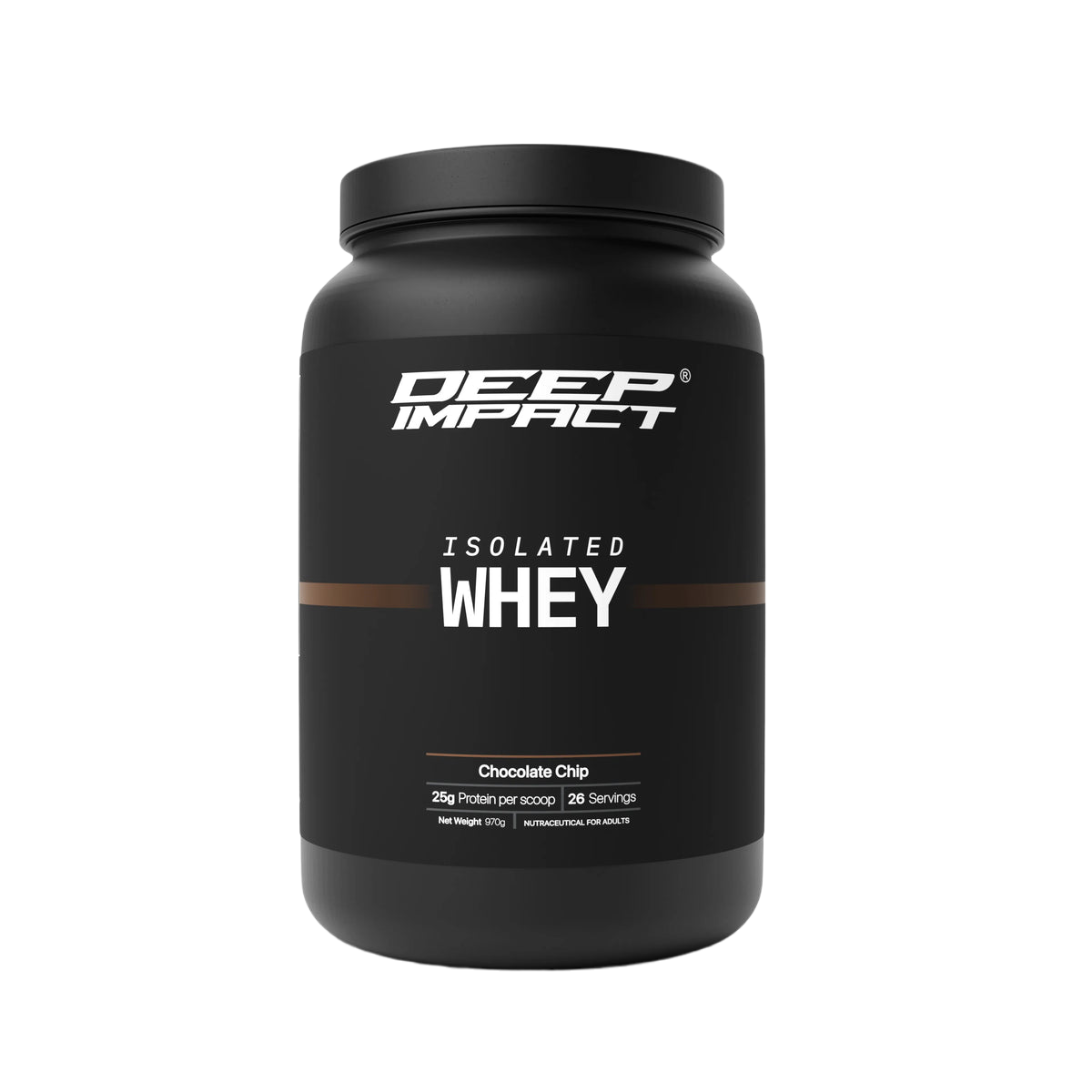
I take three scoops of protein a day, so taste matters more than most people think. Francesco, my coach, recommended Deep Impact and I haven’t looked back. Most whey tastes awful with just water. This one genuinely doesn’t. The Chocolate Chip flavour mixes clean, no clumps, no weird aftertaste. 25g protein per scoop, straightforward label. I’ve tried imported brands that cost twice as much and kept coming back to this.
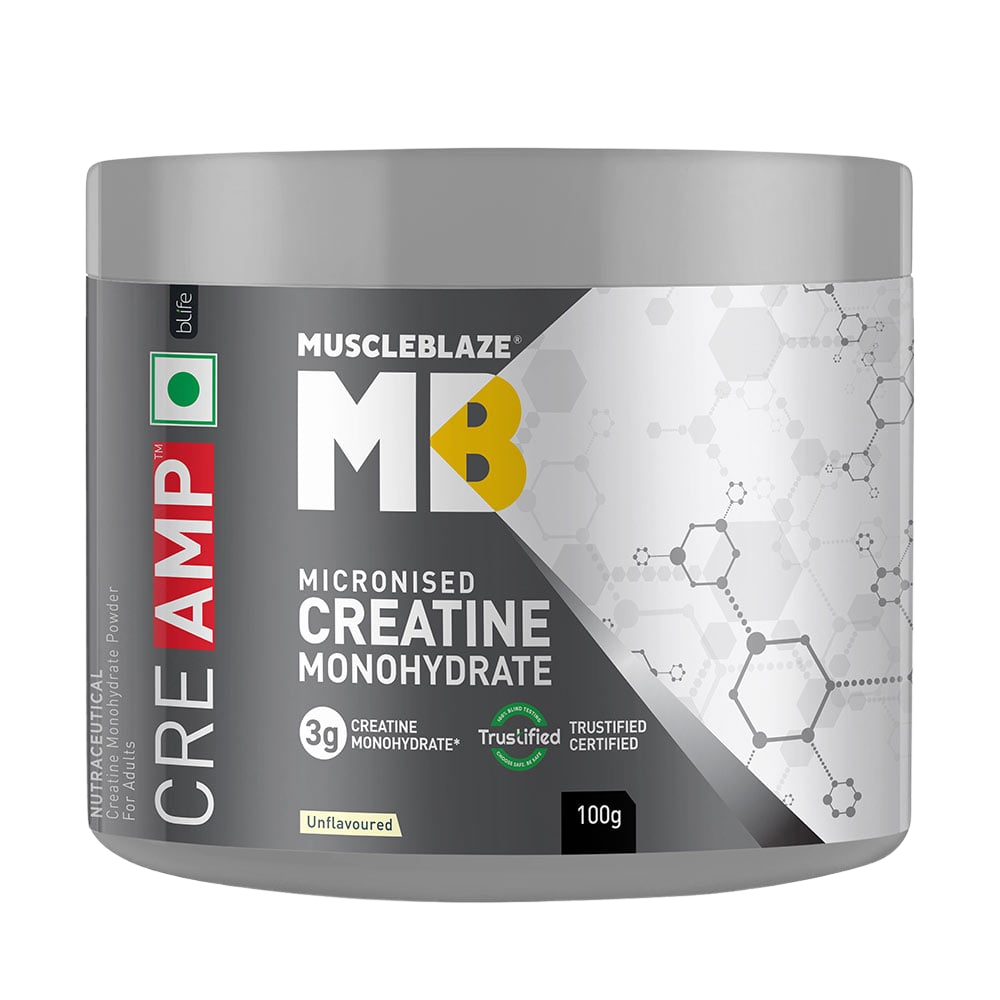
I started creatine after reading how much research backs it. Not influencer posts, actual studies going back decades. It helps with strength, recovery, even cognitive function. 3g a day, no loading, no cycling, flavourless, mixes into anything. The real question isn’t whether to take it. It’s why you haven’t started. This MuscleBlaze one is Trustified certified, affordable, and does exactly what it’s supposed to. Nothing fancy needed here.
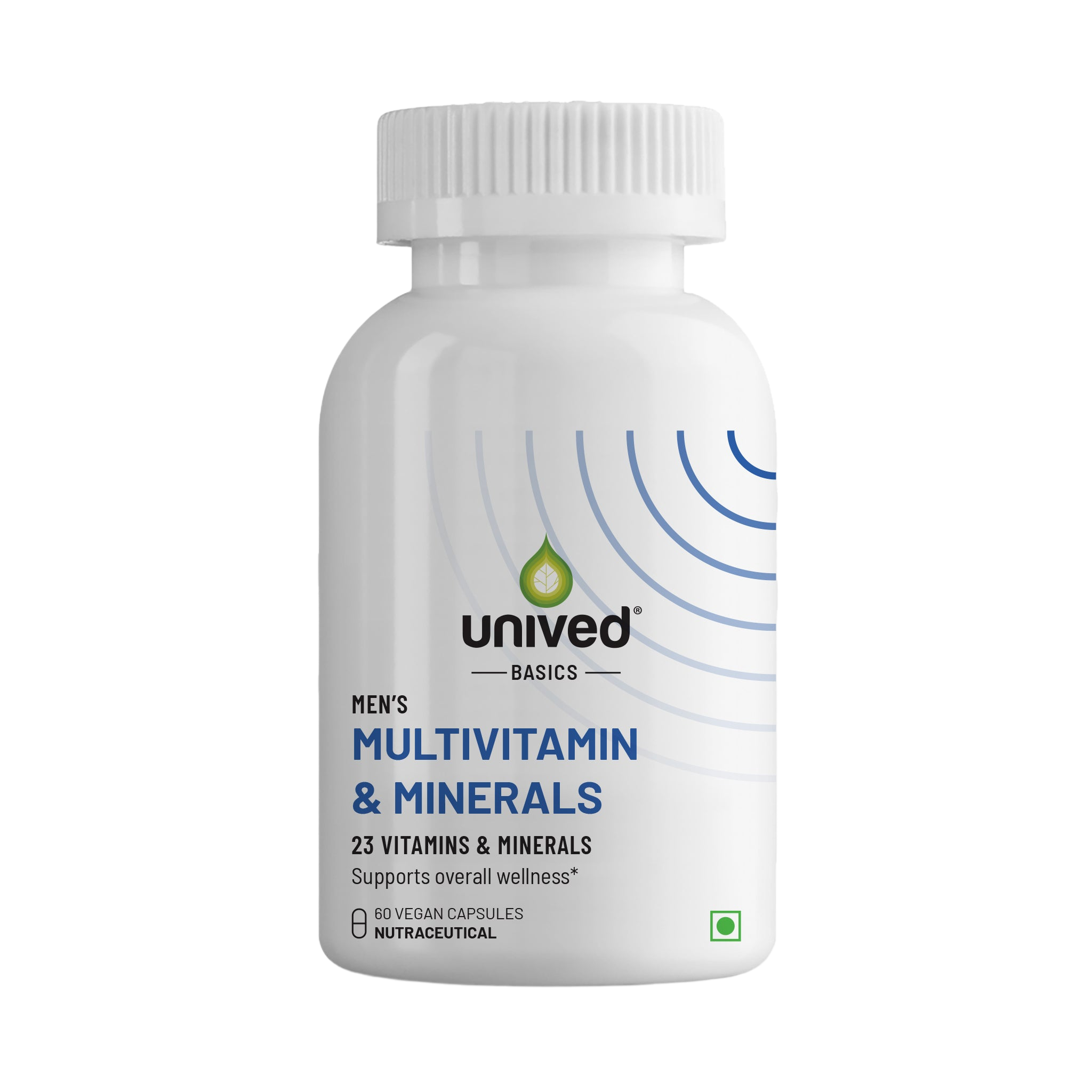
I realised my diet wasn’t covering the basics (B12, zinc, vitamin D, iron), things you just don’t get enough of from a vegetarian diet. A multivitamin doesn’t replace eating well. It covers the gaps on days when my meals aren’t perfect, which is most days honestly. I’ve been on Unived for over two years. Plant-based, no synthetic fillers, 23 vitamins and minerals. One capsule. Not exciting, but it’s the boring stuff that compounds.
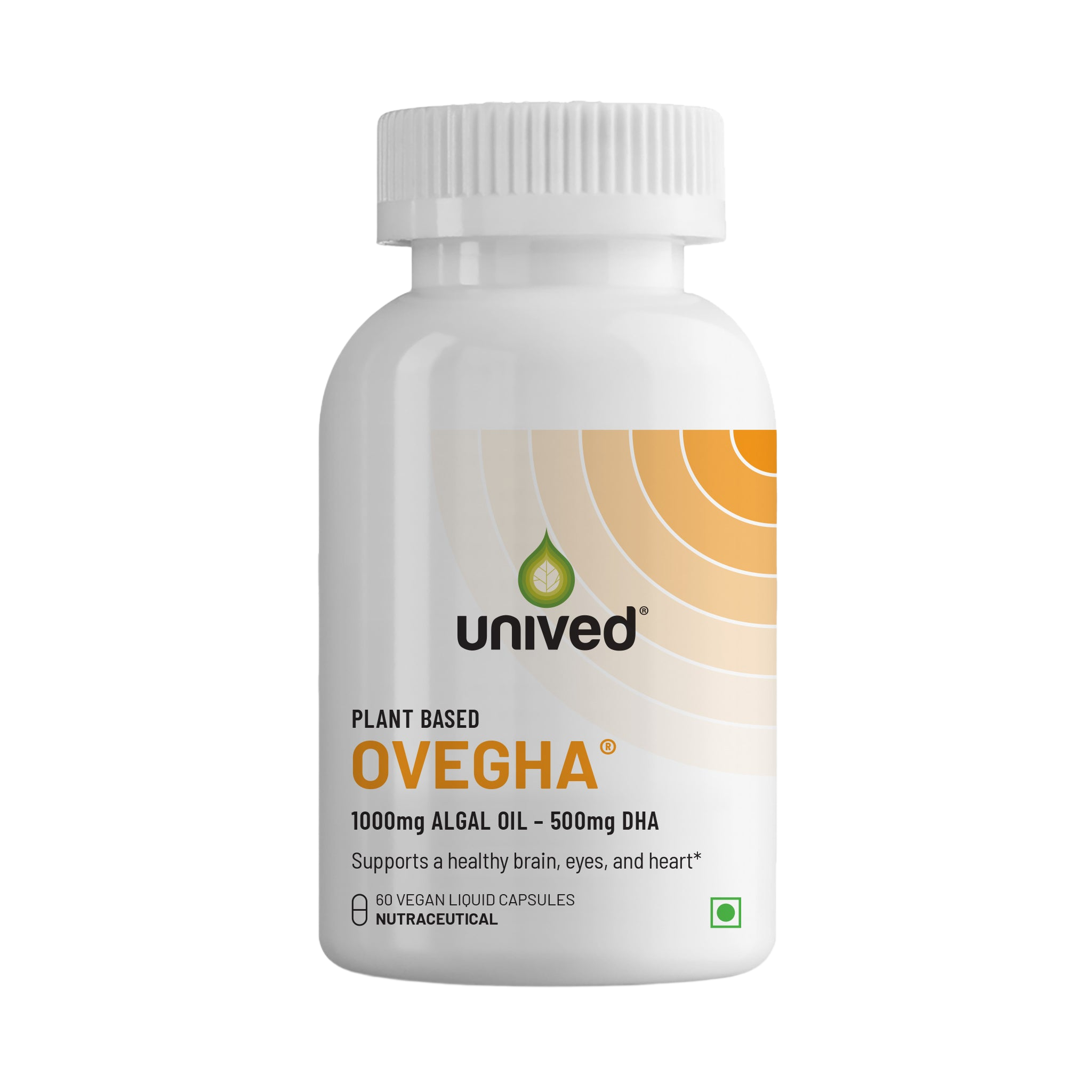
I wanted omega 3 for the brain and heart health benefits but every supplement I found was fish oil. Unived sources theirs from algae, which is actually where fish get their omega 3 to begin with. So you’re just skipping a step. 500mg DHA per capsule, no fishy aftertaste, no burps. I’ve been on this for about three years now. Unived as a brand has been solid across everything I’ve tried from them: clean formulations, transparent labeling.
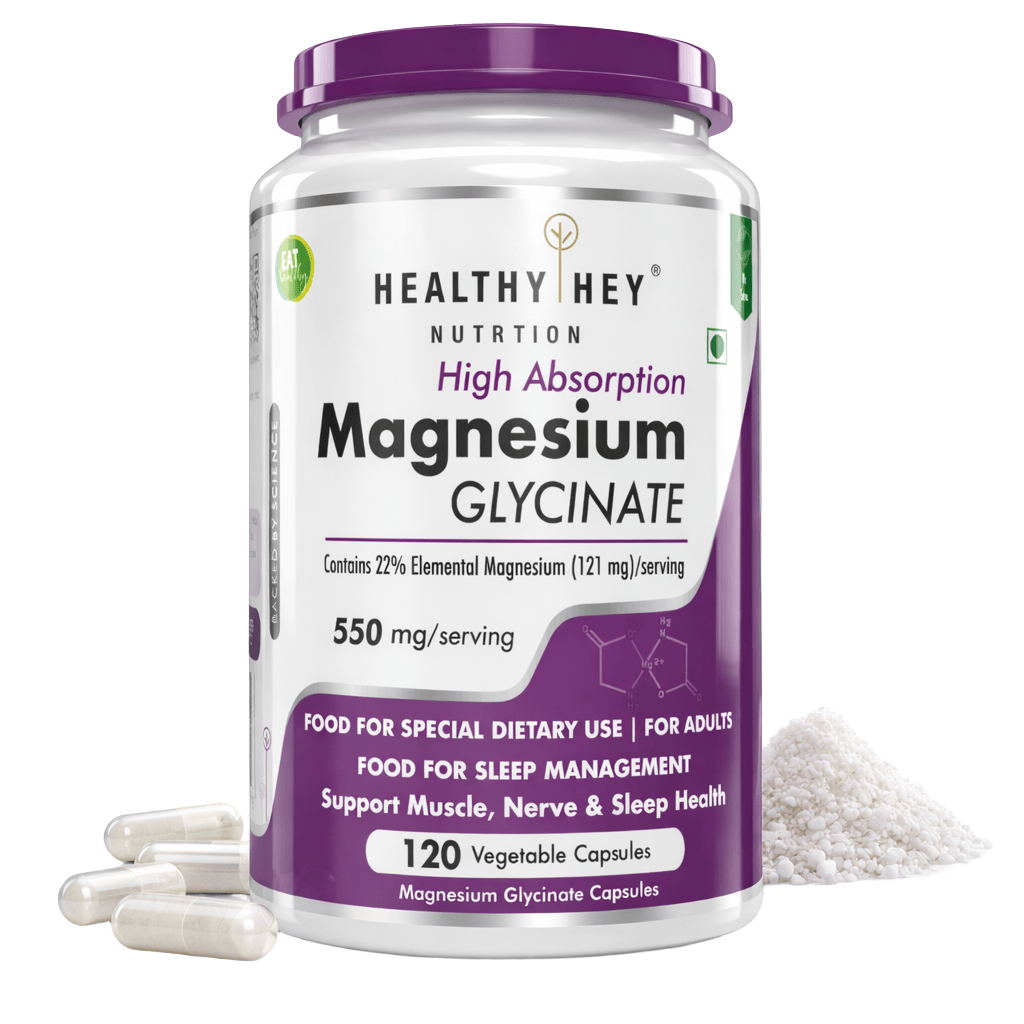
I wasn’t sleeping well: falling asleep fine but waking up groggy, restless through the night. Read that most people are magnesium deficient without knowing it. Started taking this before bed and the difference showed up within a week. Deeper sleep, less tossing, actually feeling rested in the morning. The form matters: glycinate absorbs well and doesn’t mess with your stomach like the cheap oxide versions. 550mg, one capsule, part of my night routine now.
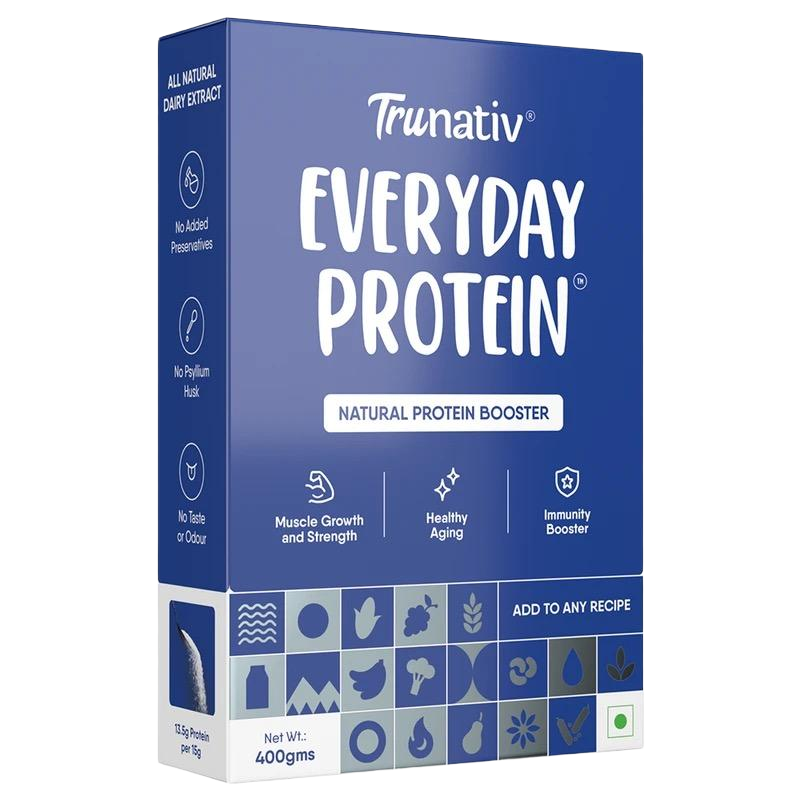
I don’t use this as my daily protein shake. What I do is mix it into chapati dough, paratha batter, sometimes smoothies. It’s a simple way to sneak protein into regular meals for the whole family. We use it maybe two or three times a month when we feel like it. No artificial sweeteners, no weird taste when cooked. Clean label, mixes into anything without changing the flavour. Good option when you want to add protein to your family’s diet without making it a whole thing.
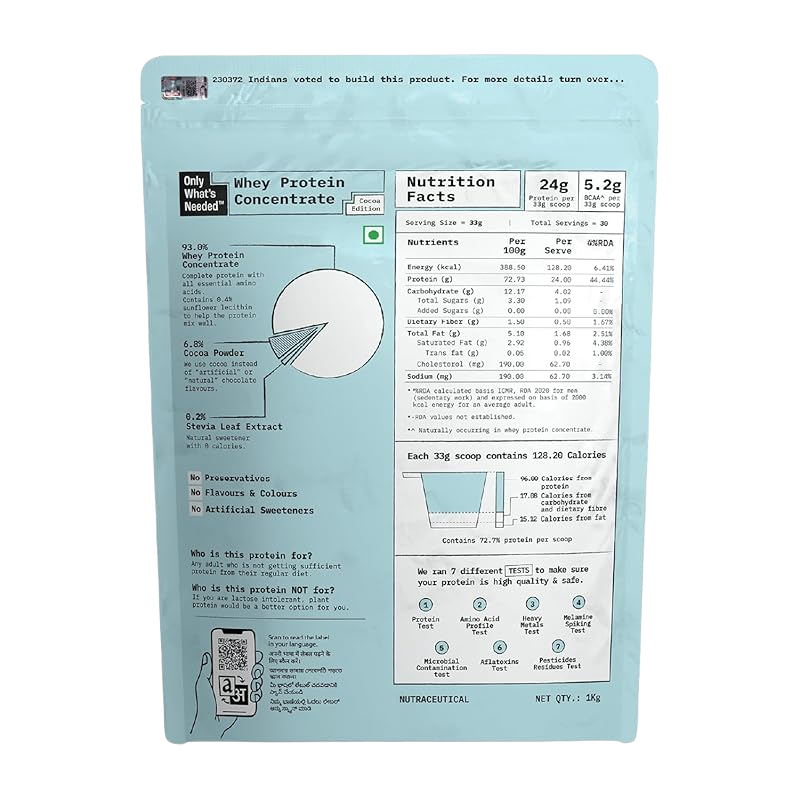
At three scoops a day, protein costs add up quickly. The premium brands are expensive as fuck and not always worth the markup. OWN is well-researched, backed by credible people, and significantly cheaper without cutting corners. The labeling is fully transparent. You can see exactly where every gram goes, no proprietary blends hiding behind fancy names. If you want solid whey that respects both your body and your wallet, this is the one.
💻 Kit
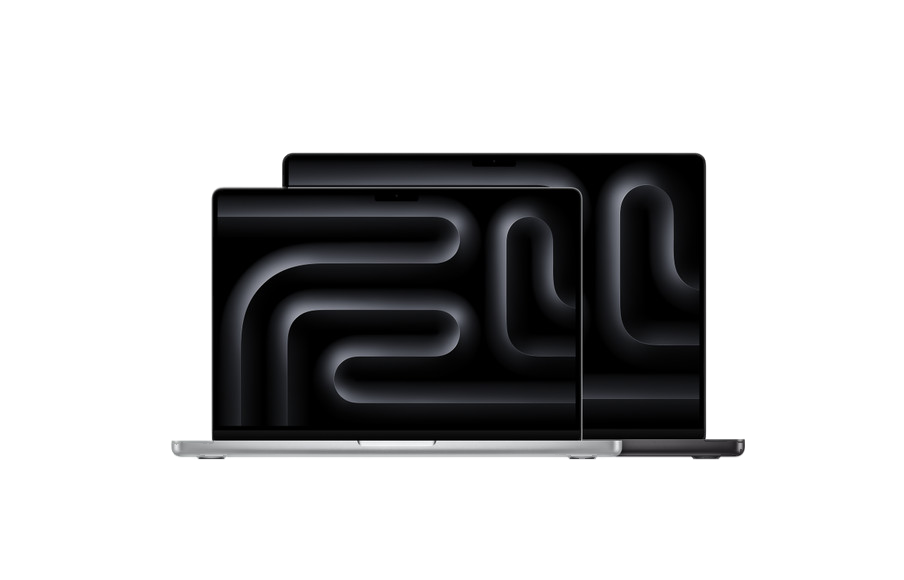
The M3 Pro handles everything I throw at it: Figma, Chrome with 47 tabs, and three Slack workspaces. Hasn't complained once.
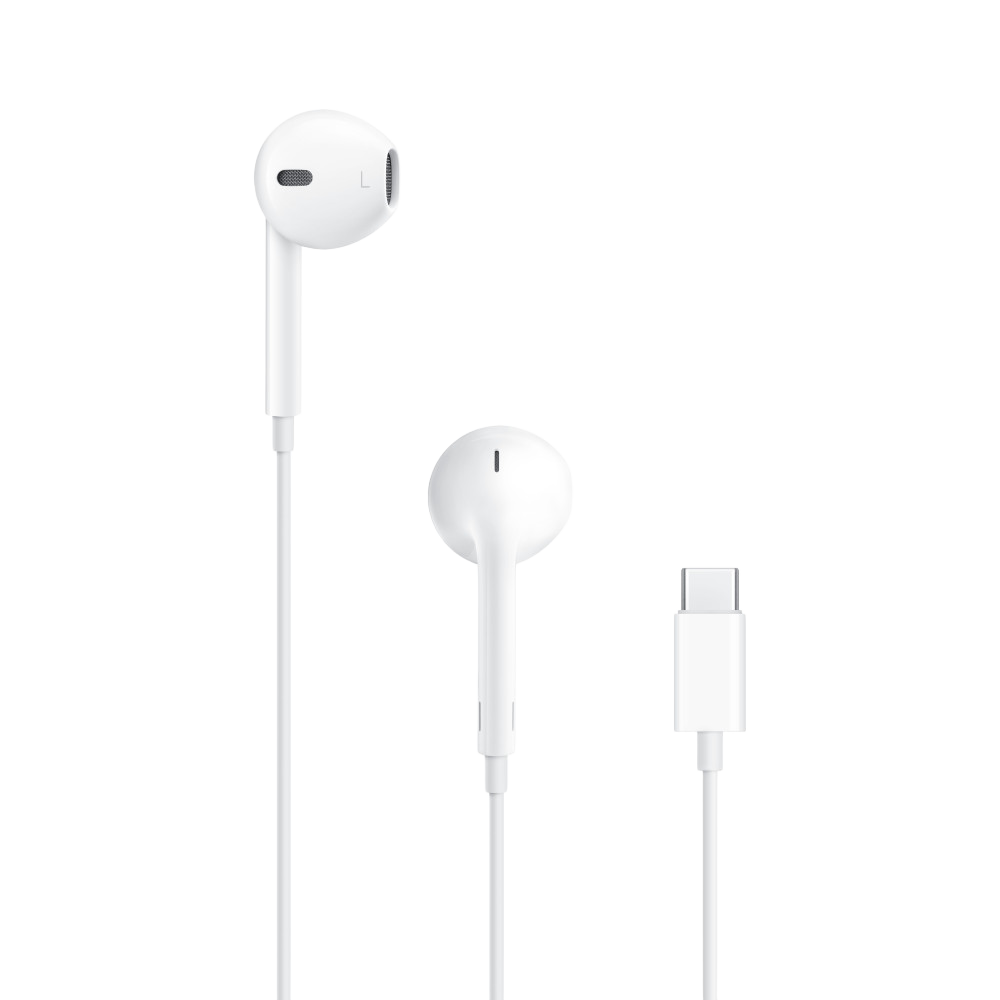
No noise cancellation, no battery anxiety, no case to lose. Plug in and go. Sometimes the simplest option is the best one.
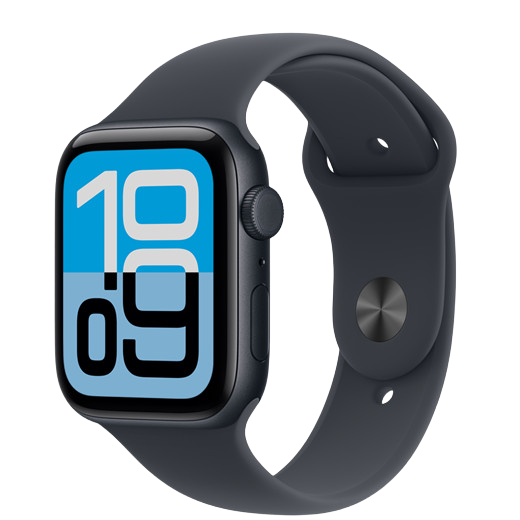
Notifications on the wrist, workout tracking, and Apple Pay. The SE does everything I actually need. No reason to pay for the Ultra.
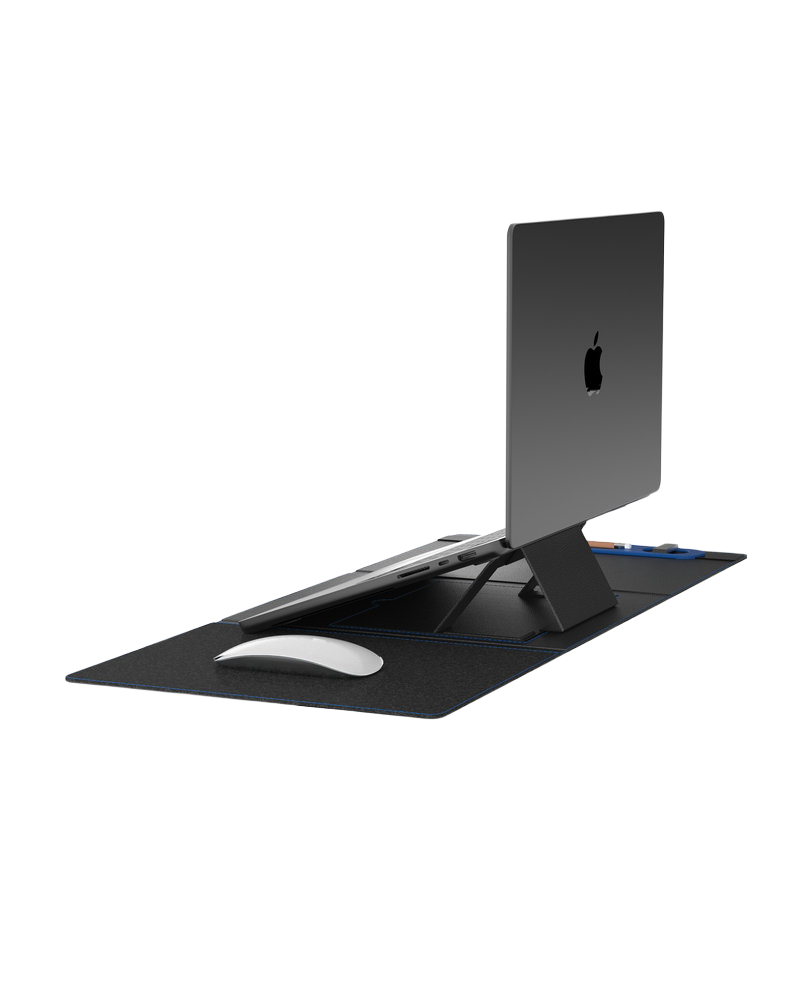
Doubles as a laptop stand when you fold it up. Bought it on impulse, use it every single day. The angle is perfect for calls.
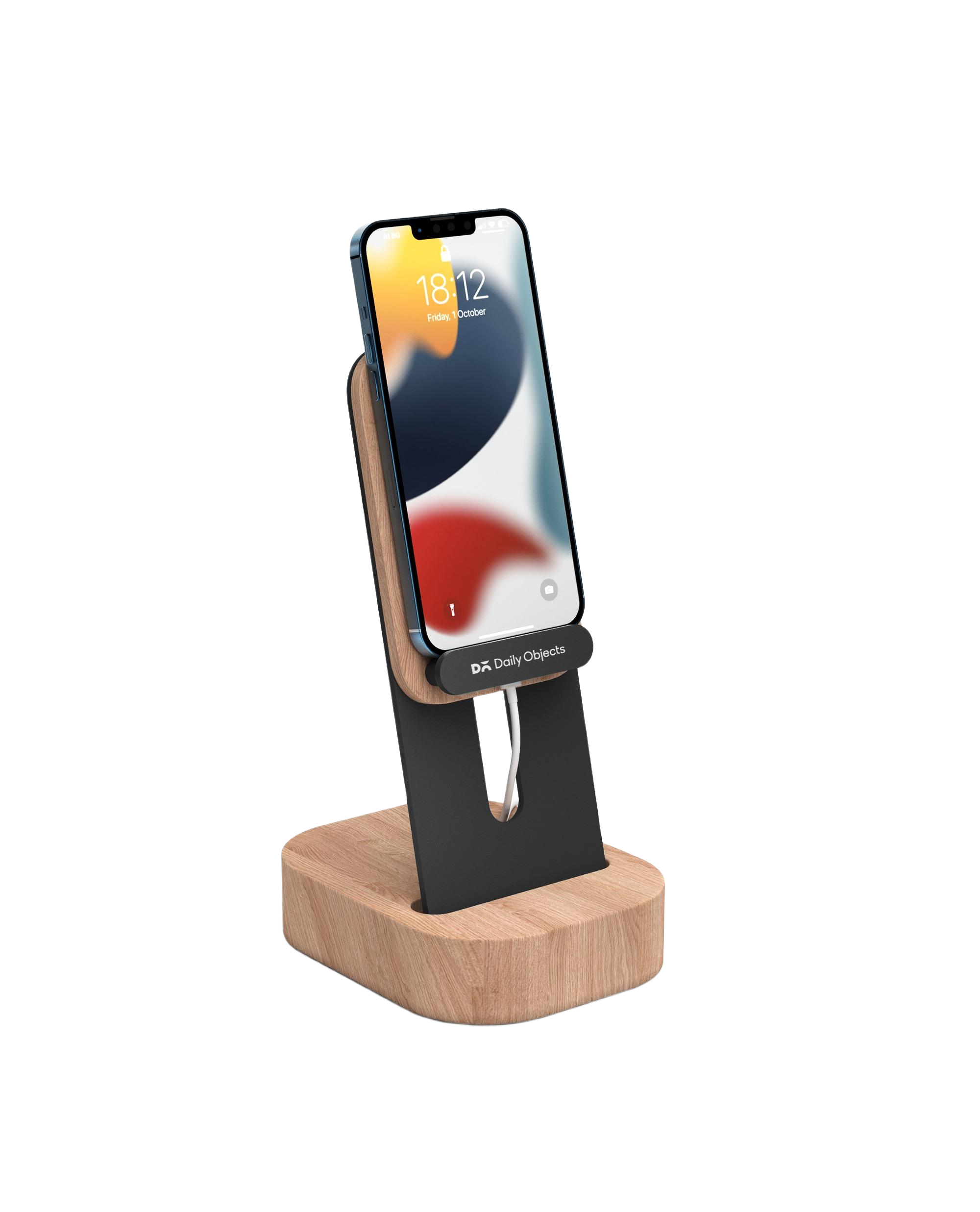
Adjustable, minimal, keeps my phone at eye level during video calls. No more propping it against a coffee mug.
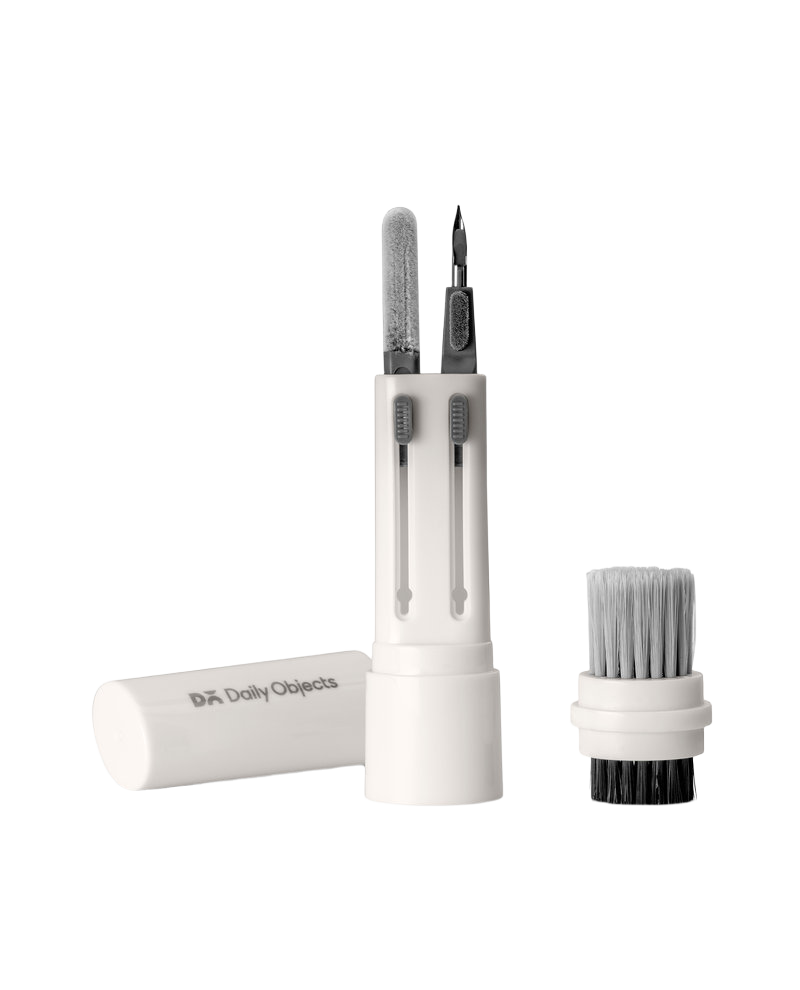
Tiny capsule, surprisingly thorough. Keyboard crumbs, screen smudges, AirPods gunk: handles all the gross stuff.
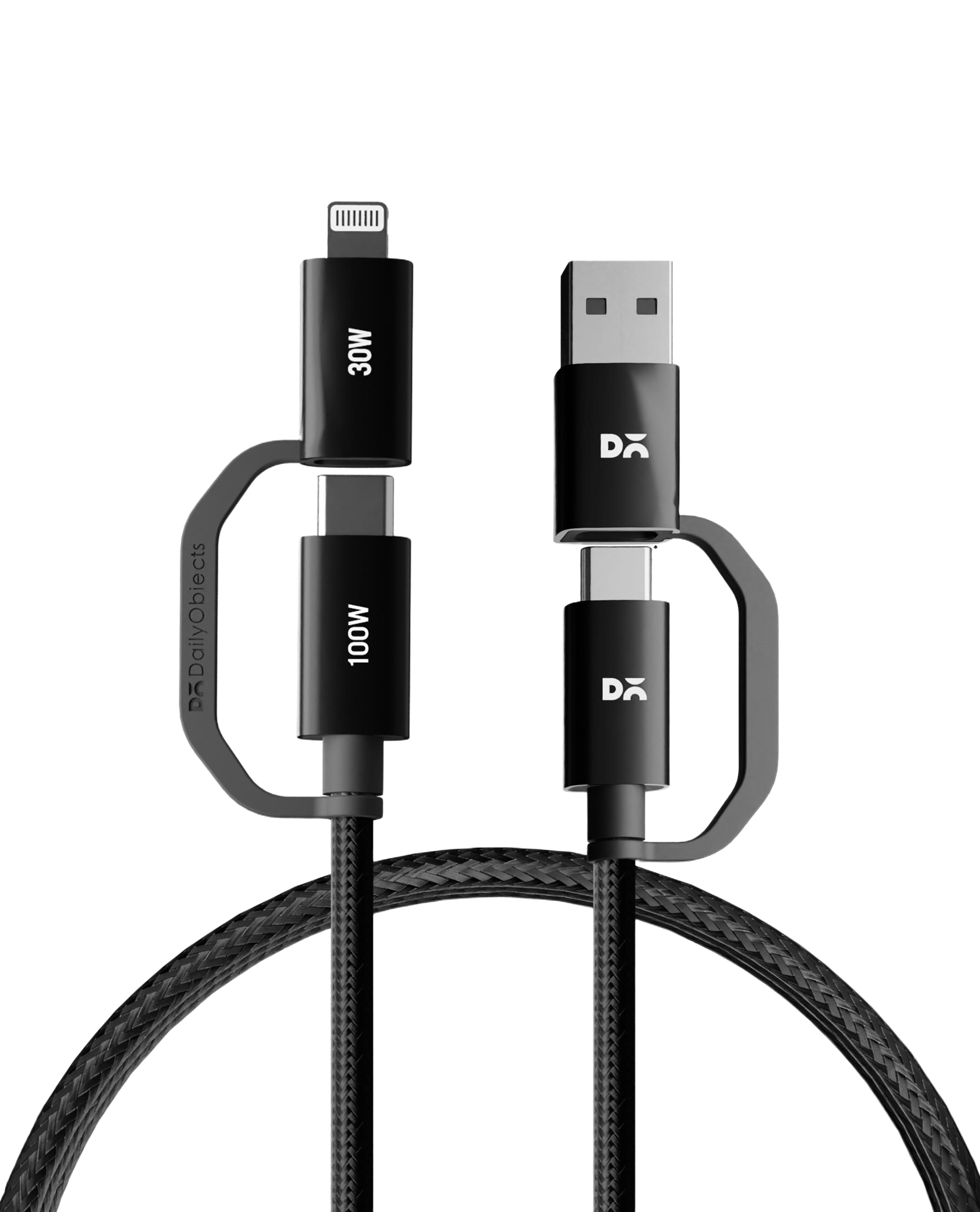
One cable for everything: USB-C, Lightning, whatever. 100W so it actually fast-charges the MacBook. Kevlar-wrapped, hasn't frayed yet.
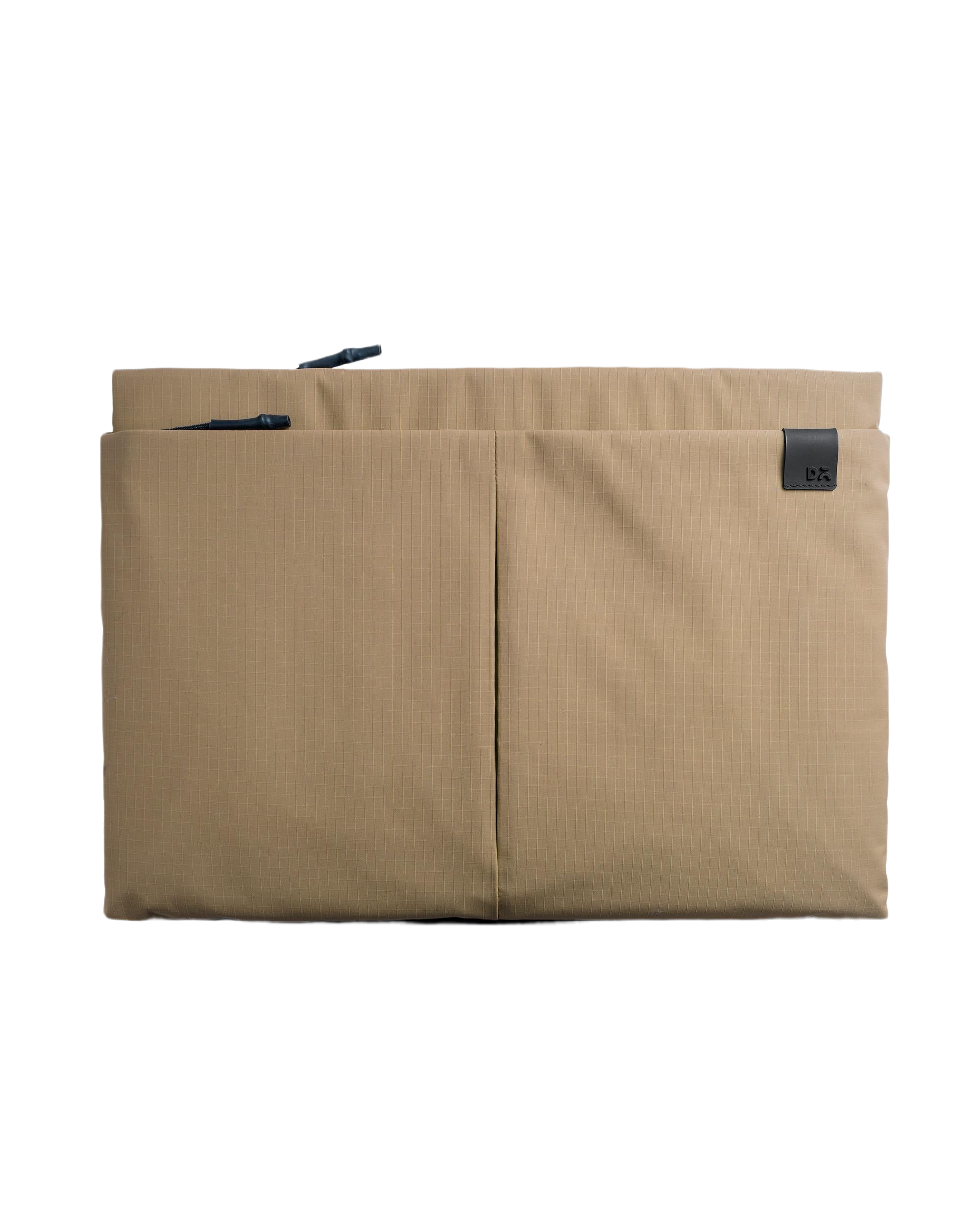
Minimal, clean, fits the 14" MacBook perfectly. No unnecessary pockets or branding. Just protection that looks good.
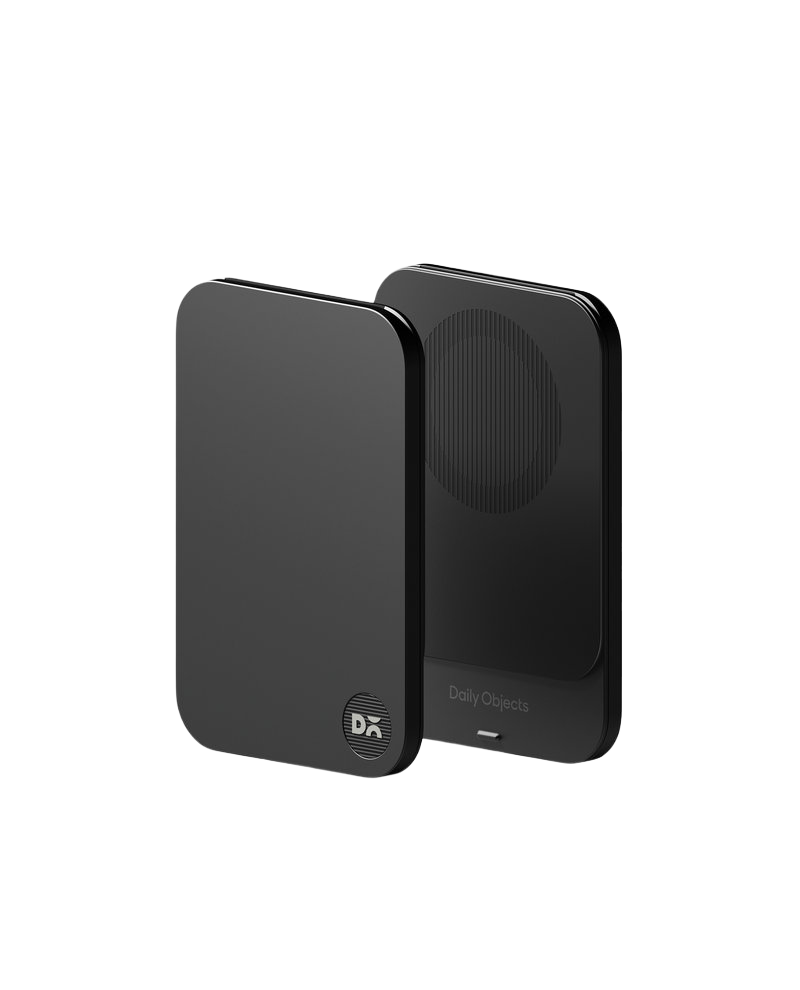
Phone wallet that doubles as a stand. Cards, phone, kickstand: three things I always need, now it's one thing.
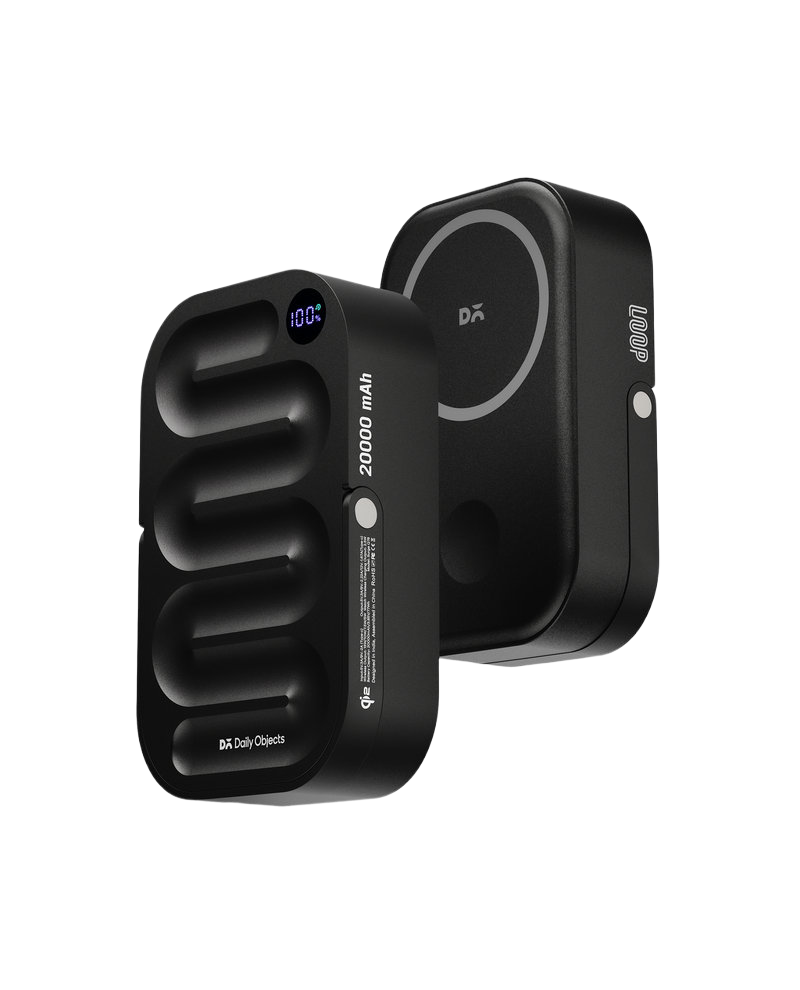
20000 mAh, Qi2 MagSafe, snaps onto the iPhone and just works. No cables needed. The one thing I never leave home without.
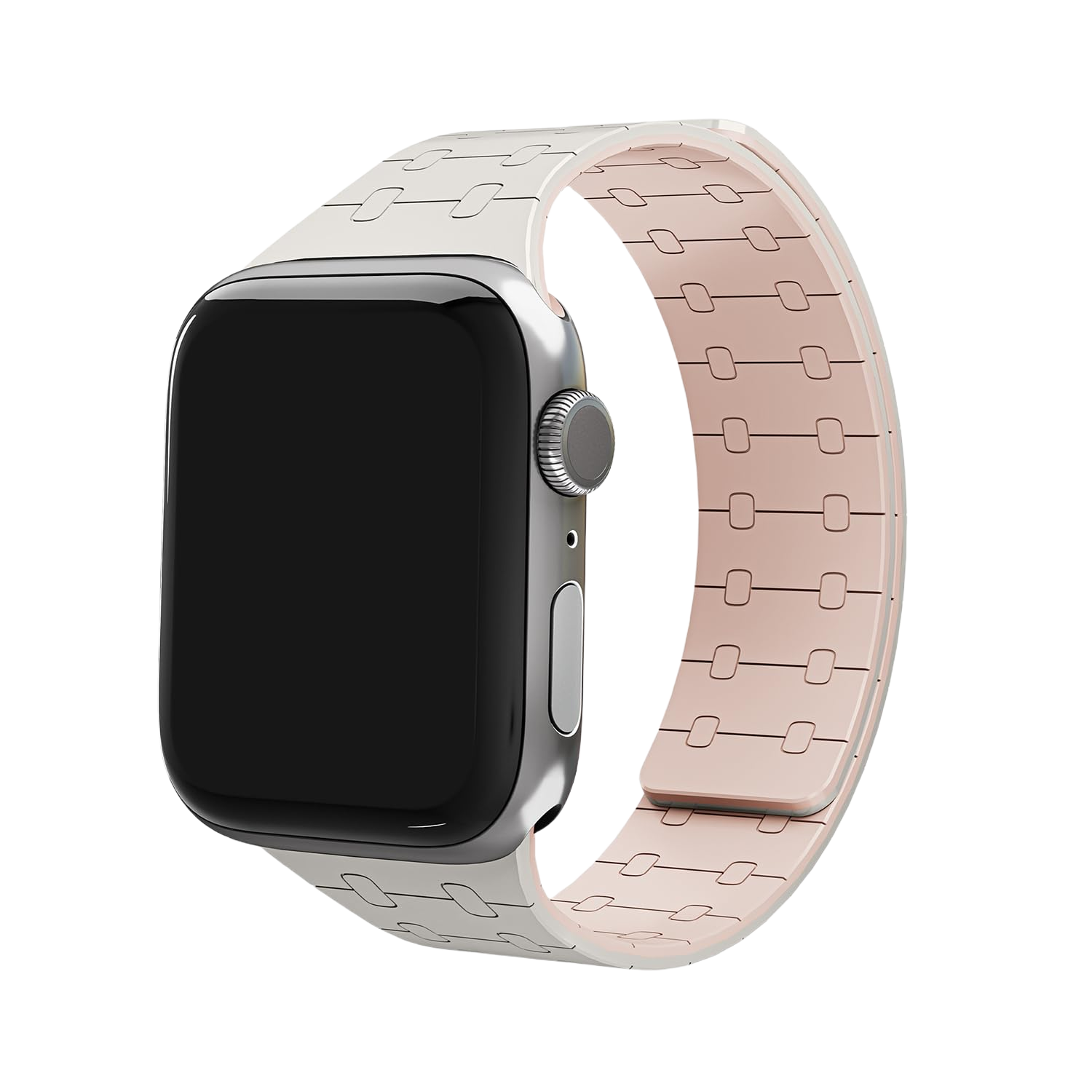
Swapped the default sport band for this. Velour snap-on, looks way better with a casual outfit. Comfortable enough for workouts too.
⚡ Productivity
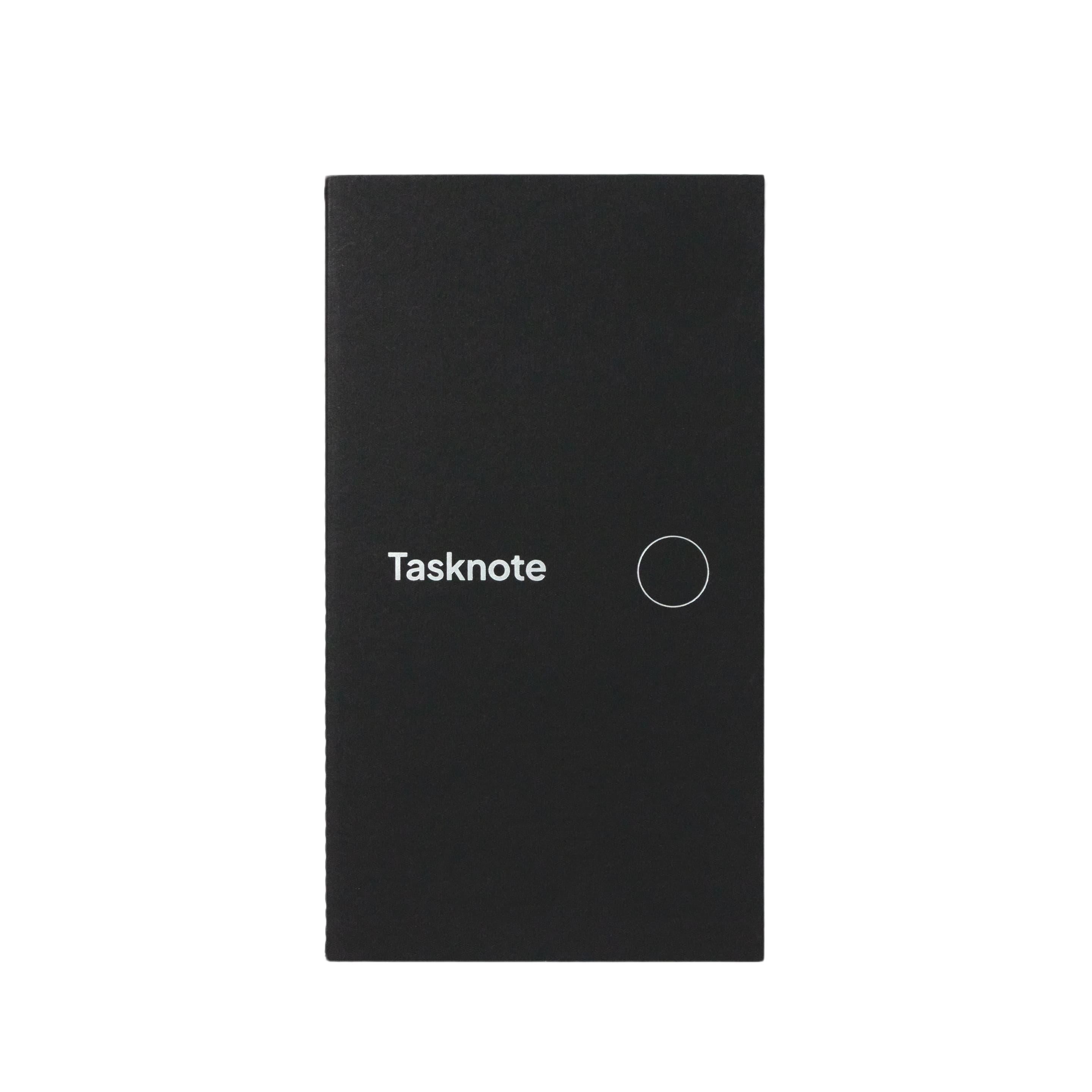
Distraction-free analog planning. 31 undated spreads in a pocket-sized notebook: one page per day, no app notifications.
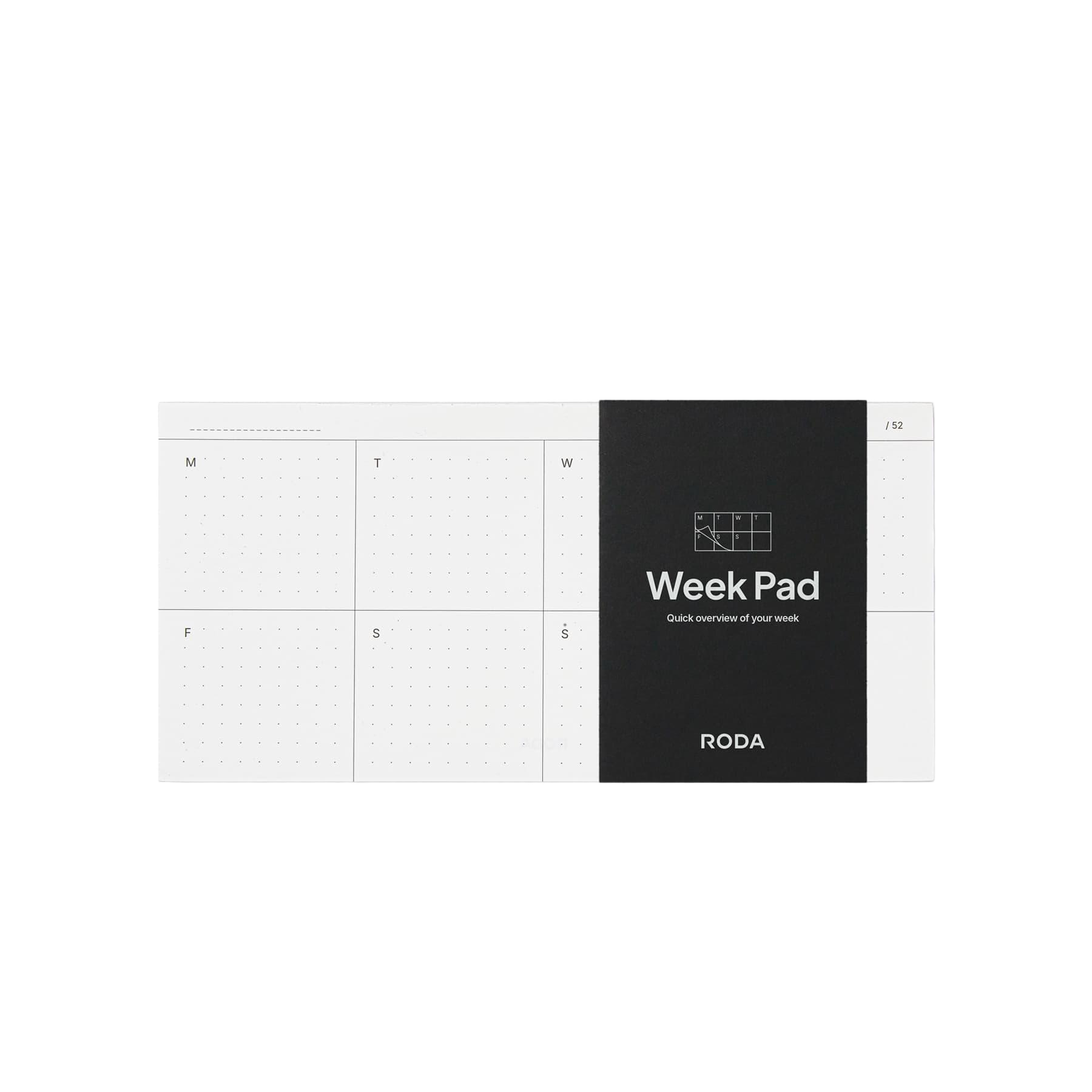
52 tear-off weekly spreads that last a full year. Quick overview of the week: events, deadlines, and priorities at a glance.
🧴 Skin
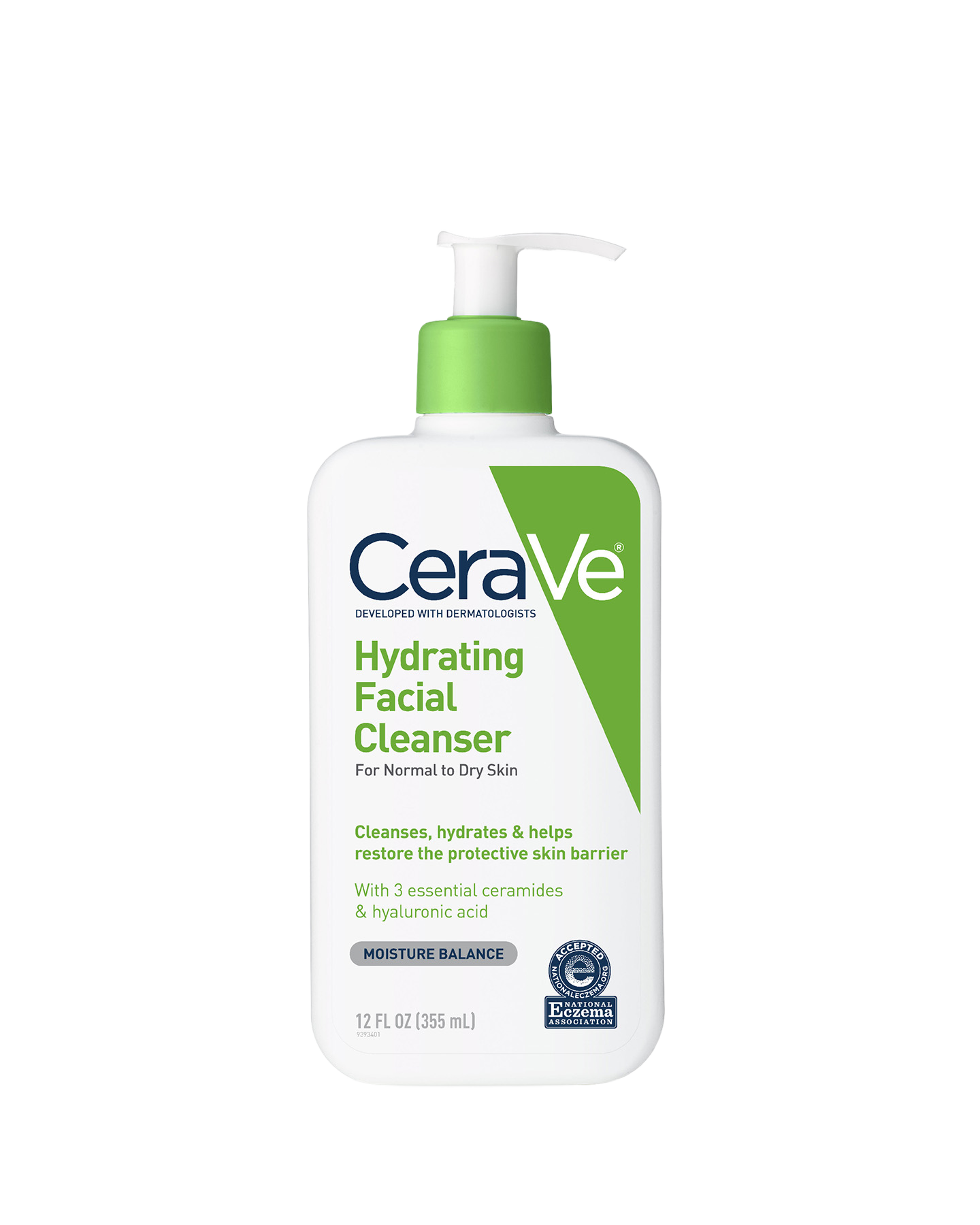
Used to wash my face with whatever soap was in the shower. This was the intervention.
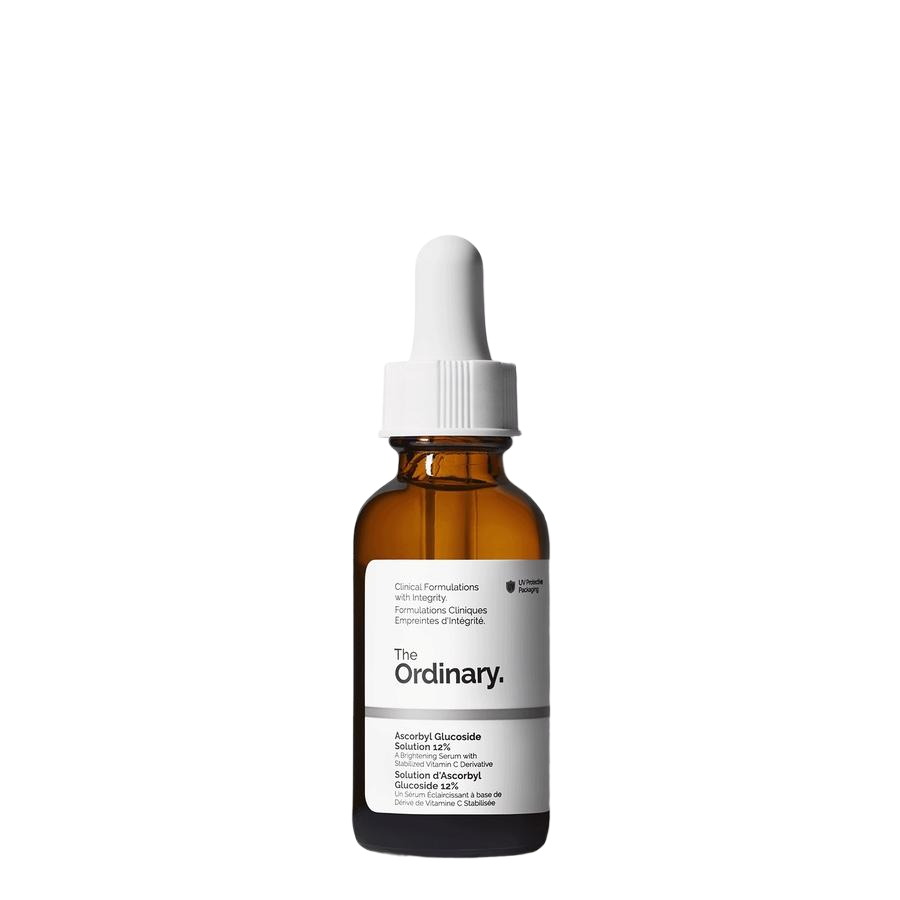
Finishing this bottle, then switching to Niacinamide. Yes, I have opinions about serums now.
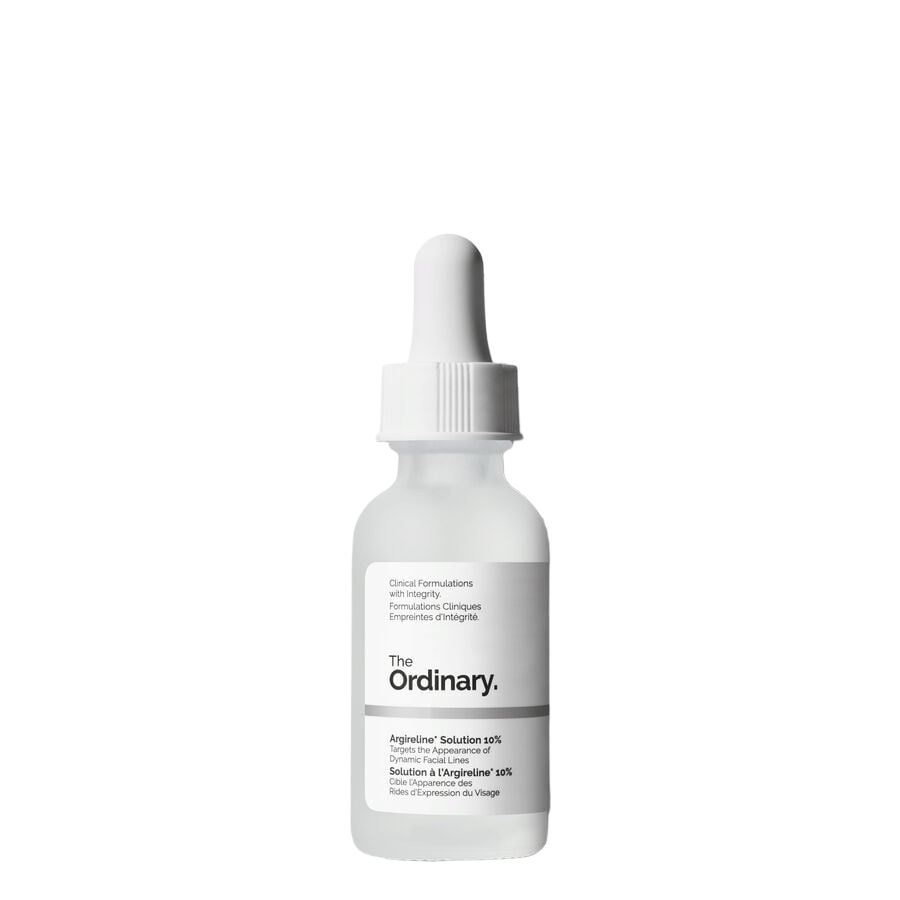
I pat this around my eyes every night. 29 and already fighting time.
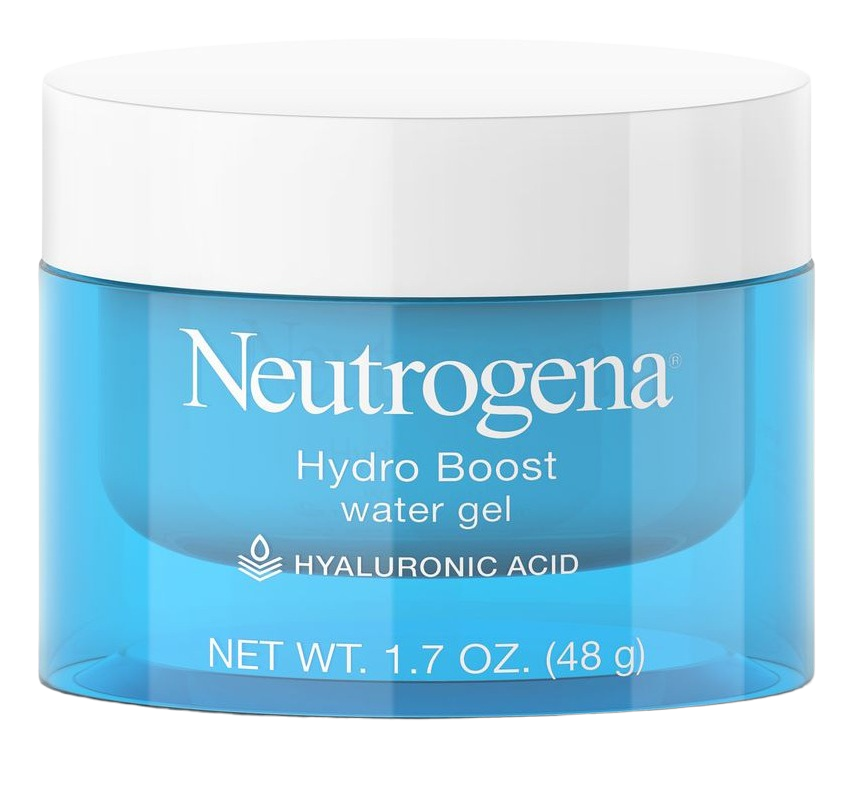
I've changed serums six times. This moisturizer hasn't moved. That says everything.
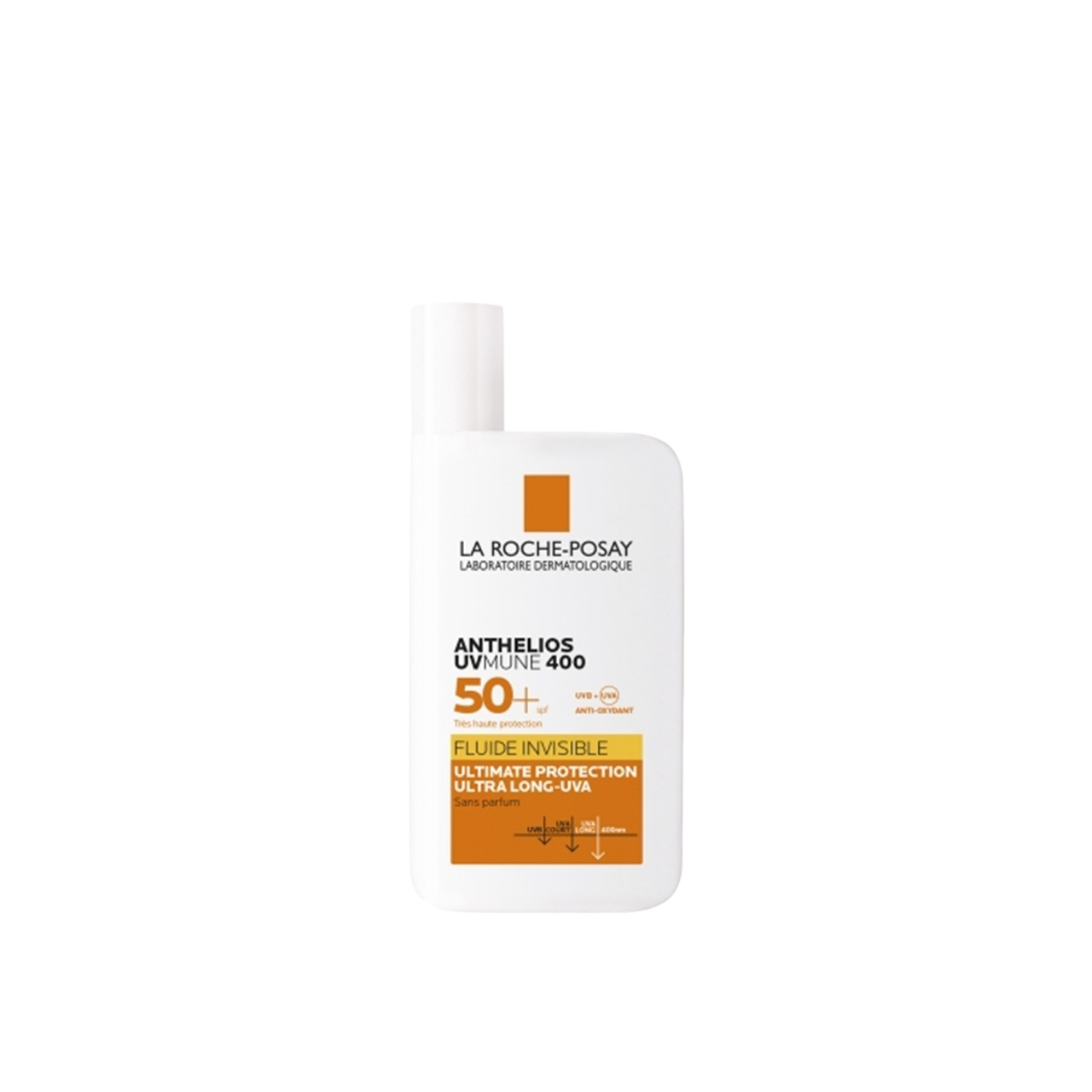
SPF 50, every morning, rain or shine, WFH or not. The one skincare hill worth dying on.
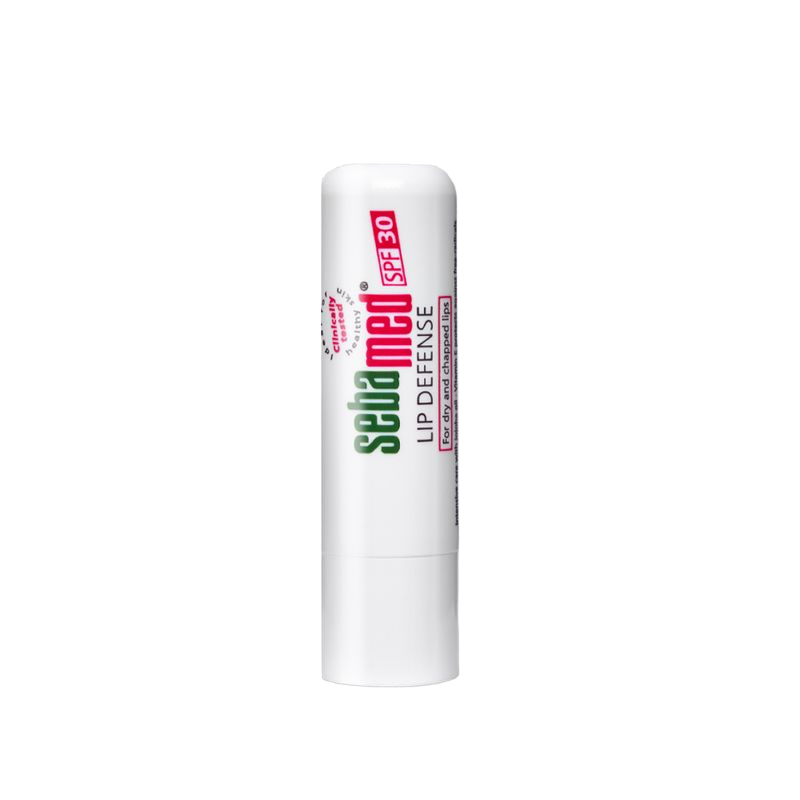
Two years ago I didn't know lips could sunburn. Now I carry lip SPF everywhere. Character development.
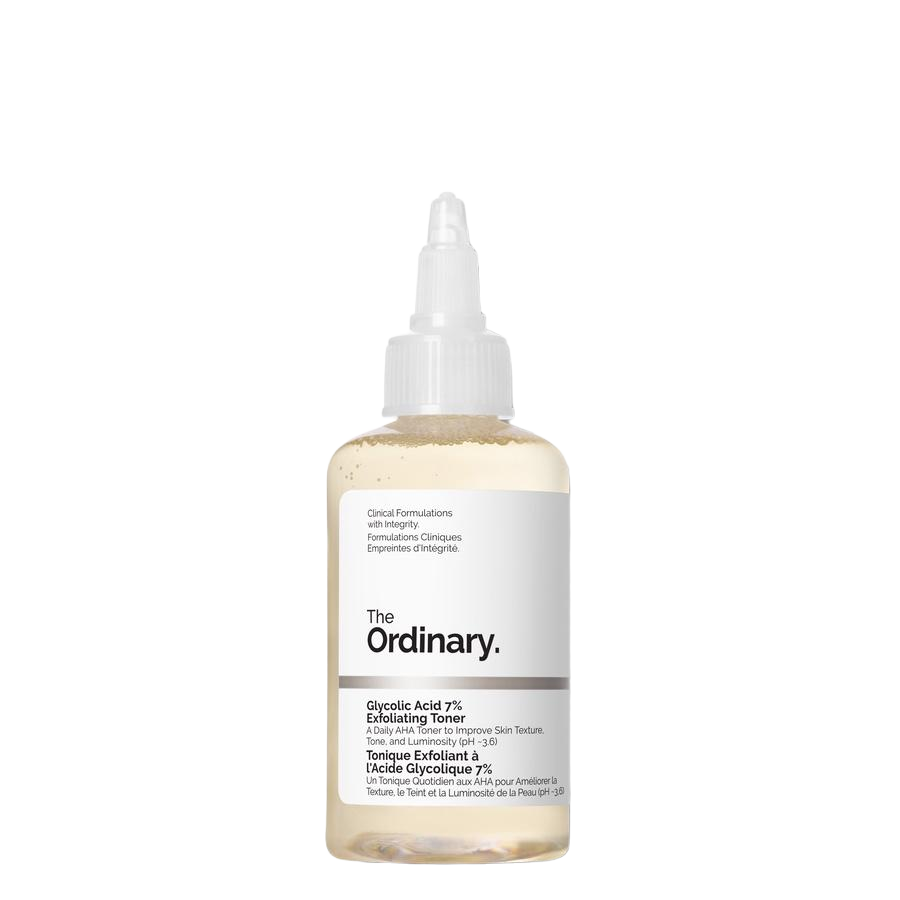
Sunday night ritual. Basically a weekly factory reset for your face.
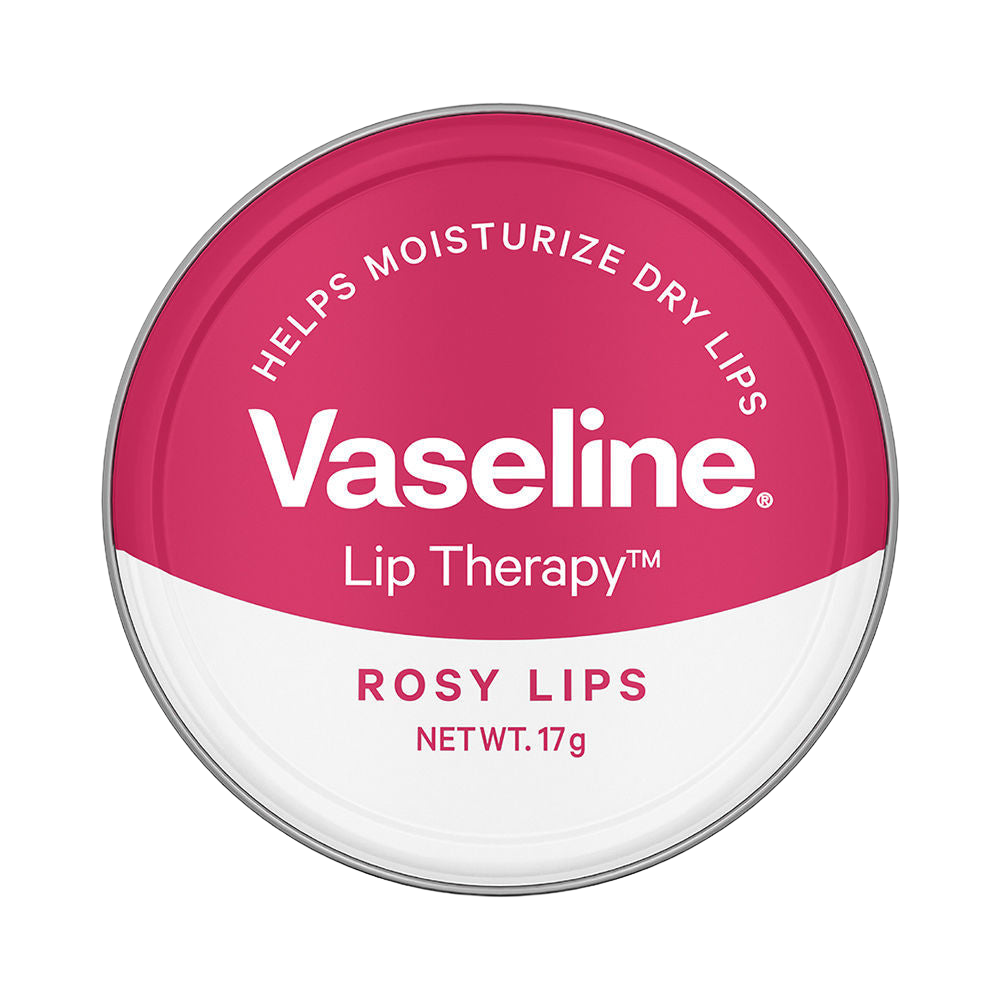
Just petroleum jelly before bed like it's 1950. Still works better than everything else.
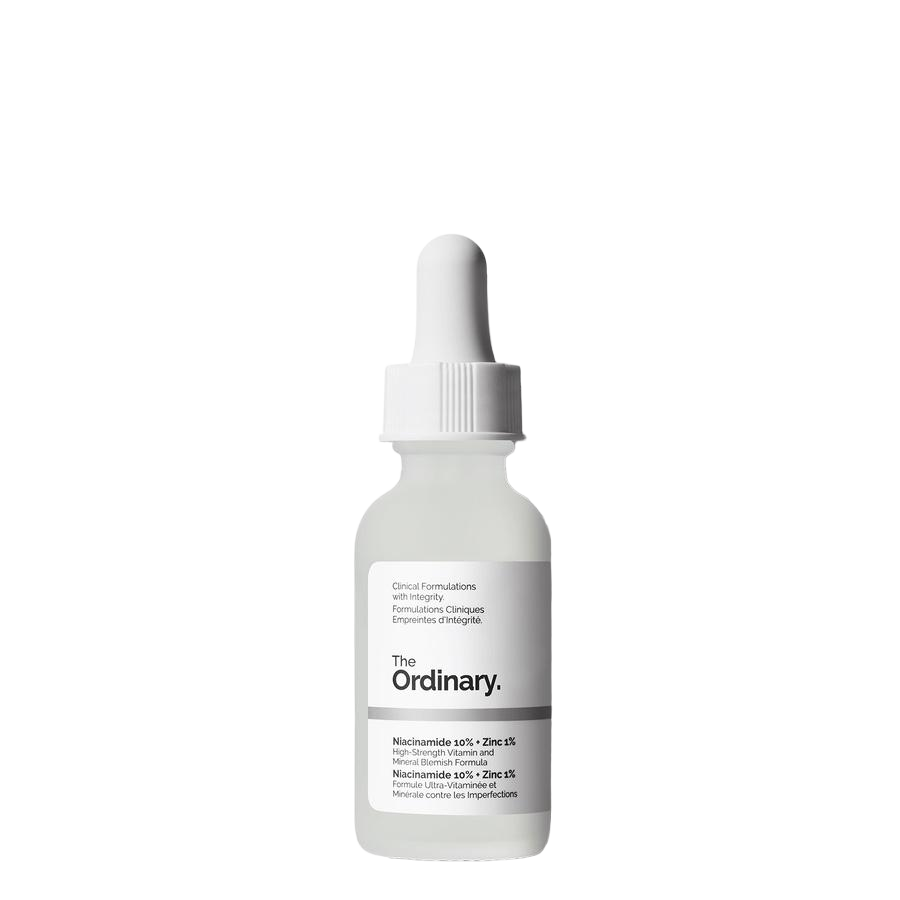
Less glamorous, more useful. The boring one that actually works.
📱 Apps

I was always a generalist, which really meant I was always dependent on other people to get things done. Need a quick script? Ask engineering. Landing page copy? Wait for the writer. Data pull? Get in line. Claude changed that. I run agents for research, automate workflows, write code, draft content, brainstorm strategy: all through one tool. This entire website was built in conversation with it. It didn’t make me an expert at any one thing. It made me dangerous at all of them.

If it needs to be written down, it goes in Notion. Trip planning with an embarrassing level of detail, product docs, meeting notes archive, personal CRM, content calendar: all of it lives here. I’ve tried switching twice and came back both times within a week. It’s not the fastest tool or the prettiest. But it bends to however my brain wants to organise things, and nothing else does that as well.

I’m in meetings for a big chunk of my day. Before Granola, I’d scribble three half-sentences in Apple Notes and never look at them again. Now every meeting gets recorded and I get a structured summary I can actually go back to. When someone says “didn’t we discuss this last week?” I can pull up the exact transcript. That alone has saved me from enough miscommunication to justify the subscription ten times over.

I dictated this description. I dictated most of the content on this site, actually. Wispr sits in the background and turns speech into text wherever my cursor is: Slack, email, Notion, docs, everywhere. I’ve always thought faster than I type, and this closes that gap. It handles my half-English cadence surprisingly well. Once you start dictating, typing feels like writing with a chisel.

Before I write a doc or build a deck, I usually start on a Whimsical board. When a problem feels too messy to think through linearly, I open a blank canvas and start mapping it: trees, flowcharts, connections, whatever shape the thinking needs. It helps me see the structure before I commit to words. I use it for product strategy, GTM planning, even organising my own thoughts when something feels stuck. Thinking tool first, presentation tool second.

Nobody hired me to design things. But when you’re taking a product from 0 to 1, you end up in Figma whether you planned to or not. GlamAR wireframes, investor decks, quick mocks for the dev team, mood boards for brand direction: all Figma. I went from “can someone make this look decent?” to doing it myself at midnight. I use mood boards more than I’d like to admit. Growth people don’t stay in spreadsheets forever.

I’ve used analytics tools that require a three-week onboarding and a dedicated “analytics partner” from the vendor. PostHog is the opposite. Product analytics, session replays, feature flags: all in one place, all self-serve. I set it up in an afternoon for work and track everything I need without talking to a single salesperson. Open source, transparent pricing, and they don’t hold your data hostage. The way analytics should work.

I’m not an engineer. I’m a growth person who writes code. GitHub is where all of that lives. This site, GlamAR prototypes, automation scripts, random experiments. I’m still learning the finer points: branching strategies, Actions workflows, proper CI/CD. But the basics work: push code, open PRs, deploy. Every project I touch runs through here, even if my commit messages aren’t always something I’d be proud to show a senior dev.
I started coding more seriously in the last year, and Cursor is what made that possible. The AI doesn’t just autocomplete words. It reads the full codebase and suggests things that actually make sense in context. I’m still learning, still making mistakes, still Googling basic things. But Cursor closes the gap between “I know what I want to build” and “I can actually build it.” Paired with Claude for the harder problems, it’s what makes a non-engineer productive.

This site runs on Vercel. The workflow is dead simple: push code to GitHub, Vercel picks it up, and it’s live in thirty seconds. No Docker, no server config, no DevOps rabbit holes. I’m still learning the platform: edge functions, serverless stuff, the finer details. But for someone who just wants to ship and see it working, it removes every excuse. Preview deployments on every PR mean I can share a working link before anything goes live. That’s powerful.